LUXURY HOTELS LONDON
London Luxury Hotels, Curated Properly.
Comparing London’s top hotels by location, service, and style.
All of London / Fitzrovia / Mayfair / Belgravia / Westminster / Knightsbridge
Luxury Hotels in London: Reputation vs. Reality
Once you’re looking at hotels that charge £1,000 a night, price stops being much of a guide. Two rooms can cost almost the same and leave you with completely different impressions.
Not every expensive hotel feels equally luxurious. Some justify the price from the moment you arrive. Others rely a little too heavily on their reputation. That’s why it’s worth looking beyond the nightly rate before you book a luxurious hotel in London.
The Best Luxury Hotels in London
This isn’t every expensive hotel in London. These are the ones we would actually tell someone to look at.
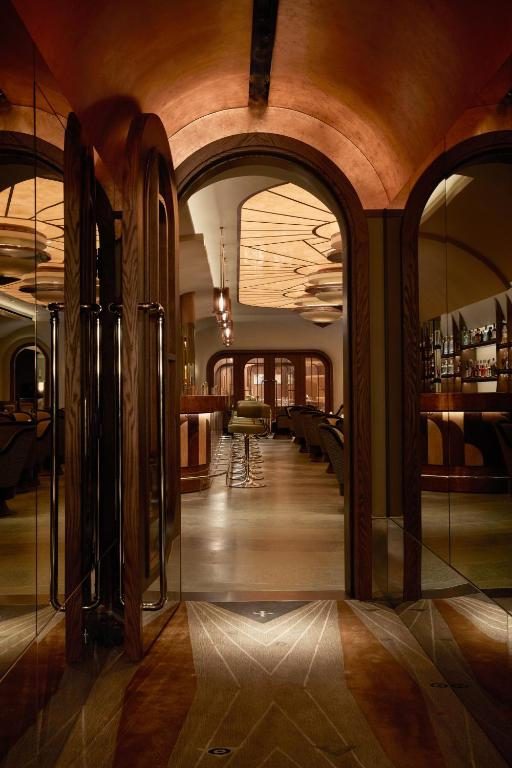
The Newman Hotel
Location: Fitzrovia, London
Price: ££££
Address: 50 Newman Street, Fitzrovia, London W1T 3EB
Best for: guests who want a design-led stay with a genuine neighbourhood feel, rather than a big-name lobby scene.
The Newman opened in 2026 in Fitzrovia, a part of London that sits between Bloomsbury and Soho but rarely gets the spotlight either gets. The interiors, designed by Lind + Almond, lean into art deco without tipping into excess, and the hotel leans hard into its setting: black-and-white photography of local figures and neighbourhood institutions lines the corridors, and the building’s design borrows details from nearby Fitzrovia architecture.
With 81 rooms, including 15 suites, the rooms mix custom furniture, parquet flooring and artwork tied to the area’s history. The largest is a rooftop penthouse spanning almost 1,200 square feet, complete with a private terrace, sauna and plunge pool.
An entire floor is dedicated to wellness, with a hydrotherapy pool, sauna, ice lounge, halotherapy room and a 24-hour gym, so guests don’t need to leave the building for a proper reset after a day out.
Rates start from around £500 a night, climbing well past £2,000 for the penthouse floor. The hotel’s restaurant, Brasserie Angelica, and underground cocktail bar are open to guests and locals alike, which keeps the ground floor feeling more like a neighbourhood spot than a private members’ room.
The trade-off is location: Fitzrovia is walkable to Oxford Street and the British Museum, but it’s less central than Mayfair or Knightsbridge, so guests chasing a postcode-first stay may want to look elsewhere.
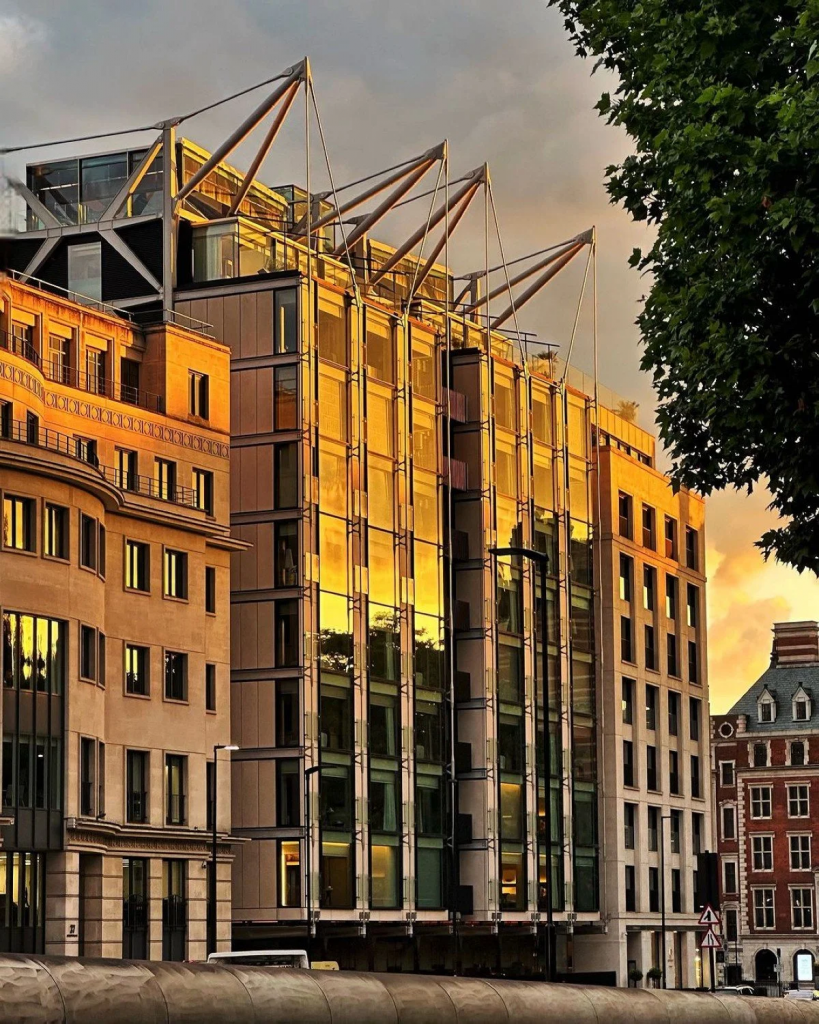
The Emory
Location: Belgravia, London
Price: ££££
Address: The Emory, Old Barrack Yard, London SW1X 7NP
Best for: guests who want space and privacy over big-name buzz, and don’t mind a single dining option.
The Emory is technically attached to The Berkeley (same building, same owners), but it’s been built to feel like its own hotel entirely. Separate entrance, separate staff, and rooms so much bigger than its neighbour’s that staying at The Berkeley now feels a bit like choosing economy when business class is one door down.
With only 60 suites, the rooms combine minimalist wood and cream tones with floor-to-ceiling windows that flood the floor plan with light.
You get practical touches like proper walk-in wardrobes, Toto toilets, and responsive room controls. The park view is largely greenery and trees rather than sweeping London skylines, but the space feels bright and quiet.
Rates start around £2,000 a night for a junior suite, bundling in airport transfers, breakfast, and a restocked minibar with Krug champagne.
The four-story underground spa looks great, but the main pool is freezing, and the gym feels way too small for a hotel of this tier.
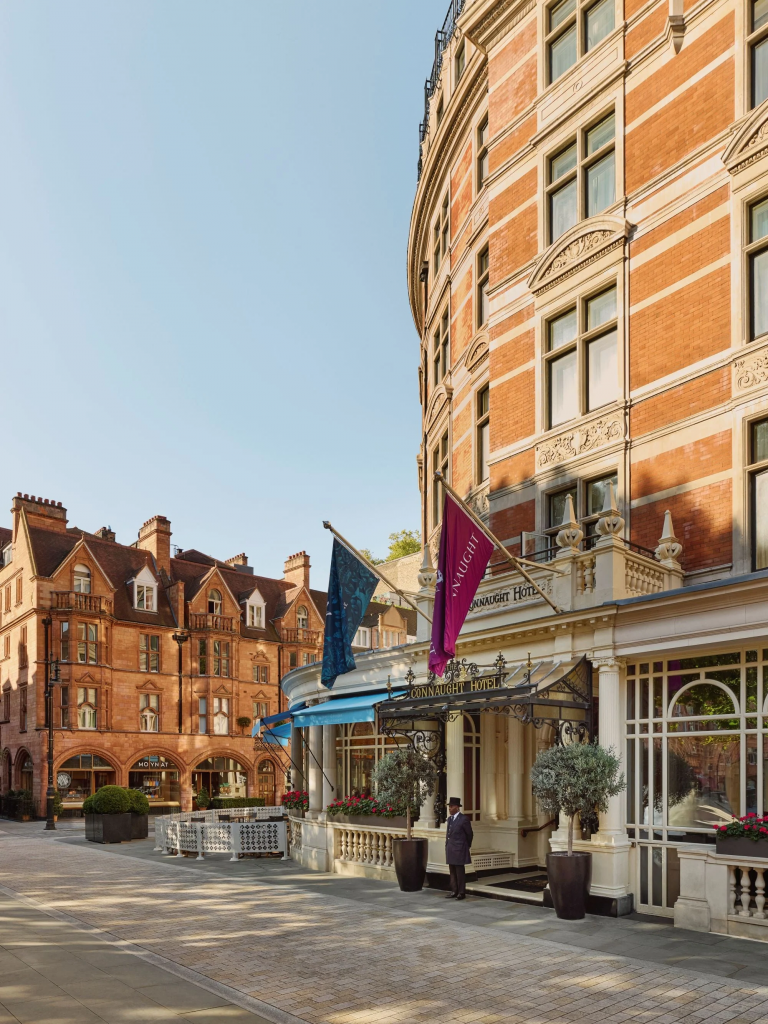
The Connaught
Location: Mayfair, London
Price: ££££
Address: The Connaught, Carlos Place, Mayfair, London W1K 2AL
Best for: guests who book a suite and skip the standard rooms entirely.
Mayfair without the chaos. That’s the pitch for The Connaught, and it holds up: right in the middle of one of London’s busiest areas, yet the hotel itself feels genuinely calm. It manages the rare trick of being traditional without any stiffness, helped along by a lobby that actually has some life to it, rather than the hushed, don’t-touch-anything energy some grand hotels default to.
Food is where it separates itself from almost everyone else on this list. Three restaurants, two bars, and a patisserie that regulars talk about the way other people talk about their favourite local bakery, except this one happens to be inside a 5-star hotel. The Connaught Bar and Coburg Bar both have loyal followings for different reasons: one’s the see-and-be-seen option, the other is quieter and more classic. Either way, you’re never more than a short walk from something worth ordering.
Downstairs is the only Aman spa located outside an actual Aman property, which is a genuine draw. The pool, however, runs cold enough that getting in becomes less a relaxing dip and more a personal negotiation with yourself.
The standard rooms need a refurb. Some have had a light refresh, but it doesn’t disguise that they’re overdue for a proper overhaul. This is a hotel where the entry-level rooms genuinely undersell what the property is capable of. The suites are a different story entirely, with more space, better design, and considerably more reason to spend the money. The Mews, the hotel’s townhouse-style suite with its own private entrance, is the standout if budget allows.
Rates for a suite start well above £2,000 a night, and The Mews itself runs into five figures. That’s steep even by Mayfair standards, but it’s also where the hotel actually delivers on its reputation.
Raffles
Location: Westminster, London
Price: ££££
Address: 57 Whitehall, London SW1A 2BX, United Kingdom
Best for: guests who want the Corner Suite or above.
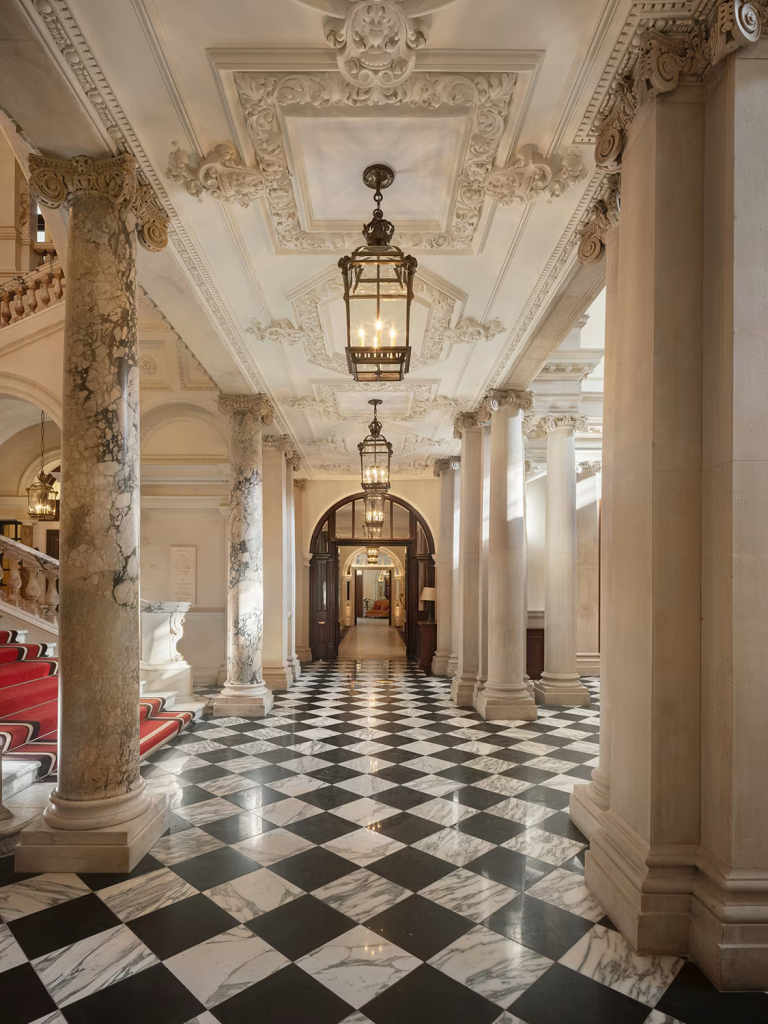
Raffles sits near Whitehall, close to the Houses of Parliament and Big Ben, which is either exactly what you want or a reason to look elsewhere. If you’re after the classic Mayfair or Knightsbridge feel, this isn’t it. If you like the idea of stepping out into actual London history rather than another stretch of designer shopfronts, it works in the hotel’s favour. The building itself dates back to 1906, and it shows in the best way. We loved the ornate stonework and grand arches.
Now the part that matters most: the rooms aren’t consistent. The signature suites and the Corner Suite in particular are excellent, genuinely some of the best in London. Book anything below that and the room quality drops off noticeably, which is strange for a hotel that clearly didn’t hold back on the rest of the property. Choose your room category carefully here, because it changes the entire experience.
Food is where Raffles goes all in. Nine restaurants and three bars is the official count, though a couple of those sit in the courtyard and aren’t technically part of the hotel experience, so the real number is smaller but still generous by any standard. Pillars Kitchen covers the healthy, grab-and-go end. Saison handles breakfast and dinner with a solid menu. The Drawing Room does afternoon tea. Quality varies a bit across the lineup.
Downstairs, the spa and 20-metre pool are a highlight, especially with the fireplaces lit. The gym is on the smaller side but well equipped. Weekend pool hours get crowded fast, so early mornings are the move if you want it quiet.
Service is where Raffles pulls ahead of nearly everyone. It’s consistently ranked among the best in the city for this alone.
Rates for the Corner Suite sit around £4,500 a night, which is quite reasonable for what you get at this level. The top-tier Heritage Suites run into five figures.
The Dorchester
Location: Mayfair, London
Price: ££££
Address: 53 Park Ln, London W1K 1QA, United Kingdom
Best for: guests who want old-school grandeur.
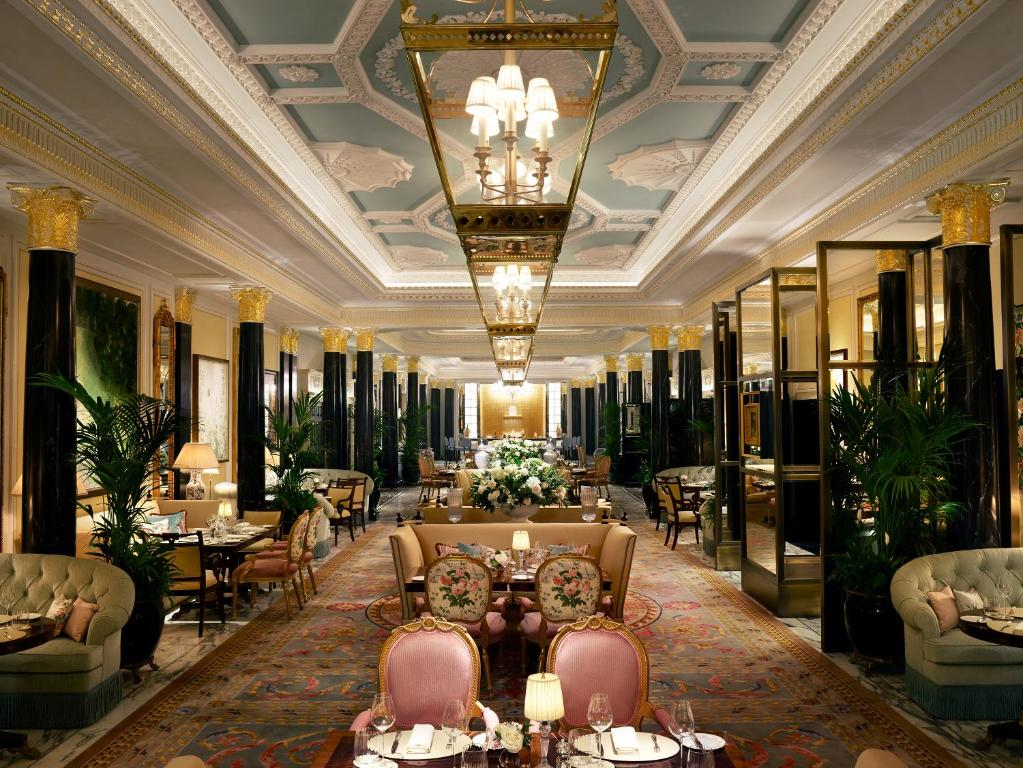
The Dorchester has been part of Park Lane since the 1930s, but after its recent renovation, it feels far fresher than many hotels of the same generation. The interiors no longer feel weighed down by heavy colours and old-fashioned decoration. It still looks historic.
During the refurbishment, the hotel actually reduced the number of rooms, from 250 to 241, so each one could be made larger. Inside, the style stays unmistakably British, with hand-painted headboards, floral fabrics, and custom-made carpets instead of the glossy marble-and-gold look.
If you’re booking at the very top end, the Harlequin Penthouse stretches to almost 1,800 square feet, complete with a private terrace overlooking Hyde Park, starting around £8,300 a night.
Service here is what you’d expect from a hotel that’s been doing this for nearly a century. Staff are trained for weeks before they’re let anywhere near a guest, and it shows in the small things.
The one real downside is the spa. It’s not actually in the hotel; it’s across the road at 45 Park Lane, so guests do have to leave the building to get to it. Once you’re there, it delivers, but the walk over is an odd wrinkle for a hotel this polished everywhere else.
The Lanesborough
Location: Belgravia, London
Price: ££££
Address: Park Corner, Hyde, London SW1X 7TA, United Kingdom
Best for: guests who want the best spa in London.
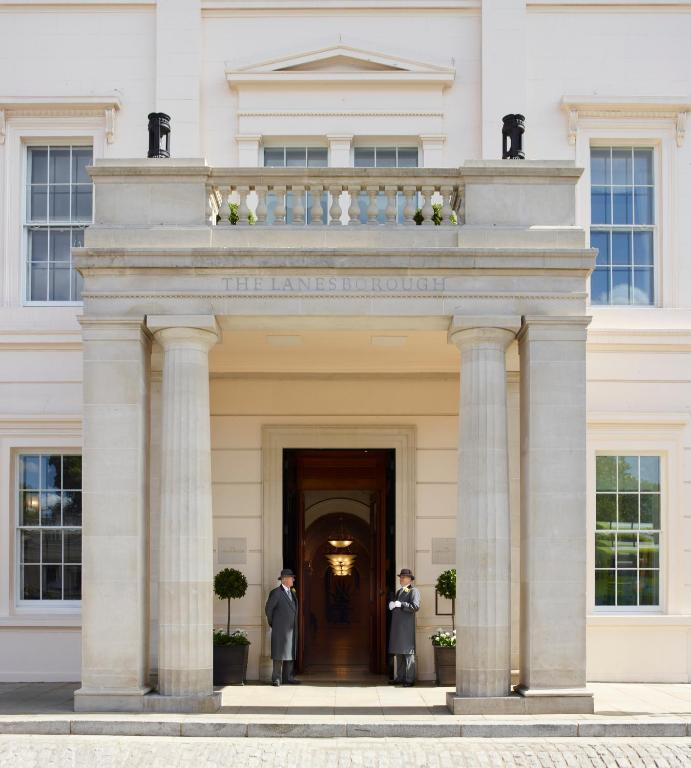
Gold detailing, period furniture, heavy fabrics, and classical artwork run through almost every room. Some people will love it. Others will think it feels a little formal. Either way, the quality behind it is undeniable; the craftsmanship and finishing throughout the hotel are genuinely excellent, whatever you think of the style.
The real draw is the spa, which opened after a major renovation and is a serious contender for the best in London. It’s spread across a large space, complete with saunas, a steam room, and a hydrotherapy pool, and the overall setting is impressive enough that it’s worth booking here for that alone.
The one catch is the members-only lounge, which hotel guests don’t get access to even at these room rates, which feels like an odd line to draw.
Breakfast was one of the best parts of the stay. We would happily go back for that alone. The setting under the glass atrium adds to it, even with parts of the ceiling now covered since the refurbishment.
Where we would most likely hesitate is the service. Reports include slow response times, mixed-up orders, and a lack of follow-through on issues once they come up. For a hotel charging some of the highest service charges in London, that inconsistency stands out more than it would elsewhere.
Bvlgari
Location: Knightsbridge, London
Price: ££££
Address: 171 Knightsbridge, London SW7 1DW, United Kingdom
Best for: guests who rate a great spa above almost everything else.
The spa is the reason to book this hotel. It spans two floors underground, covers close to 2,000 square metres, and is built around a pool big enough to feel almost excessive. There is a private cinema down there as well, and a ballroom, which most hotels wouldn’t bother including. It’s easy to lose an entire day down there without noticing the time pass.
The rooms are dark. Black bathrooms, heavy leather, and thick fabric run throughout, giving the space a moody, masculine feel. This won’t suit everyone, and Bulgari’s own properties in Rome and Dubai lean lighter, which might appeal more to some tourists. Still, something about the London rooms holds up well despite the darker palette.
Seven of the 85 rooms face Hyde Park and come with a butler around the clock.
Food has never been the strong point here. Sette serves a decent Italian menu, with good pasta and a solid spaghetti dish, but it sits in a basement with no natural light, which makes it a less appealing spot to linger over dinner.
What it does have going for it is price, which stays refreshingly normal for a hotel at this level, when most five-star dining rooms in London aren’t shy about charging for the privilege.
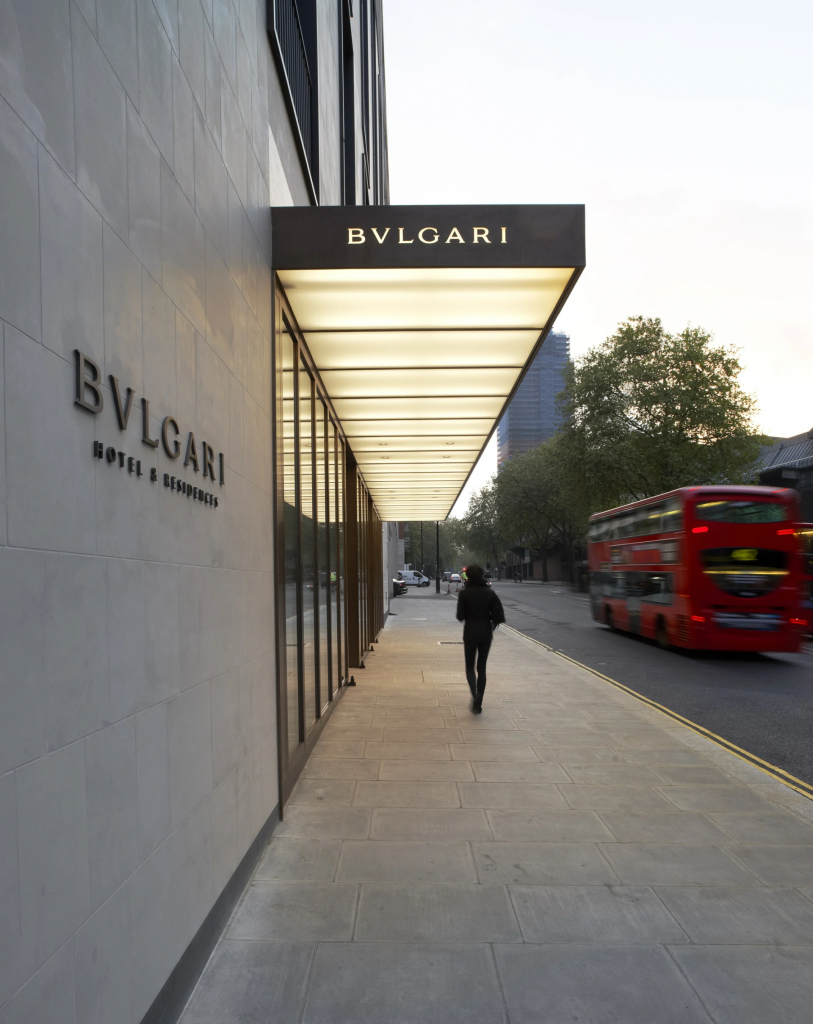
The location is Knightsbridge through and through. Harrods sits on one side, Harvey Nichols on the other, and Hyde Park lies just across the road. It’s about as central as London luxury gets.
The bottom line is that this is a spa-first booking.
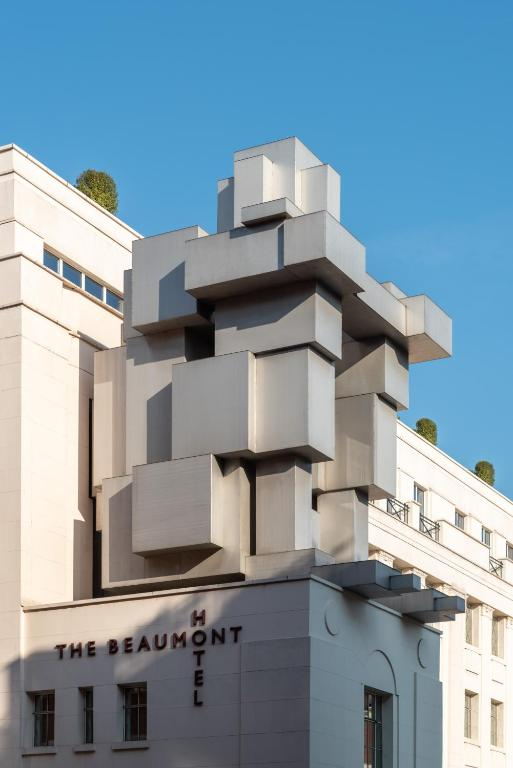
The Beaumont
Location: Mayfair, London
Price: ££££
Address: 8 Balderton St, Brown Hart Gardens, London W1K 6TF, United Kingdom
Best for: guests who want Aman-style service and genuine value.
The Beaumont makes a lot of its Mayfair rivals look downright greedy. While nearby places charge sky-high rates and then try to bill you for every tiny extra, this place throws in a ton of stuff for free.
The perks are actually useful: a complimentary minibar, free snacks, free movies, and a house Daimler ready to drop you off locally without charging a penny.
The food pricing follows the same logic. You can get a £7 sausage sandwich, and a full breakfast for three comes out to around £41. Walk into almost any other Mayfair hotel, and you’ll notice that £40 barely covers breakfast for one person. The menu stays simple, but the kitchen gets the basics so right that overpriced hotel fine dining starts to feel like a scam.
The top suite runs to 169 square metres with its own balcony, and the whole fifth floor can be connected into a five-bedroom setup if that’s what a stay calls for.
Where it really wins is the service. It’s one of the few city hotels in London that actually pulls off hyper-attentive, intuitive care. Staff greet you by name from day one, remember your exact room and food preferences, and think two steps ahead.
Best of all, they run a strict no-tipping policy, so you never get that awkward prompt on the bill pushing for extra cash.
It’s not perfect. The underground spa has a great hamam, steam room, and sauna setup, but the relaxation area is too bright and dead quiet. Without any background sound, you feel like you have to whisper, which ruins the privacy you actually want down there. And if you prefer bright, airy rooms, the heavy, dark interiors are going to feel a bit oppressive.
What Actually Makes a Hotel Feel Truly Luxurious?
Price isn’t a very good guide. London has plenty of expensive hotels that still leave people wondering where the money went. At this level, almost every property has marble bathrooms, nice bedding, and someone to carry your bags. The differences are much smaller, but they’re also much easier to notice once you’re there.
You Shouldn’t Have to Book a Suite to See the Best Side of the Hotel
One thing we always look at is the entry-level room.
Some hotels pour all of their budget into the signature suites and public spaces, then quietly compromise on the rooms most guests actually book — smaller bathrooms, awkward layouts, cheaper finishes, or a view straight into the neighbouring building.
The best luxury hotels in London don’t do that. The room may be smaller than the suite upstairs, but it should still feel like the same hotel. You’re paying for less space, not a watered-down version of the experience.
Good Service Solves Problems Before They Become Problems
The best service is almost invisible.
Nobody announces that they’re delivering five-star service. Things just happen before you have to ask. The opposite is just as noticeable. If you’re chasing staff about a room request, correcting breakfast orders, or explaining the same problem to three different people, it doesn’t really matter how expensive the marble in the lobby was.
Restaurants That Stand on Their Own
A surprising number of expensive hotels have perfectly forgettable food.
The properties that stand out usually have restaurants people would visit even if they weren’t staying overnight. That’s a much harder standard to meet than simply serving a good breakfast.
A Spa Should Feel Like Somewhere You’ll Actually Spend Time
The online photos rarely tell the full story.
Some spas are genuinely somewhere you lose an afternoon. Others have a small pool, a couple of treatment rooms, and little reason to come back after one swim.
If wellness matters to you, don’t judge the spa by the treatment menu. Look at the pool, the thermal facilities, and whether guests actually use the space beyond booked treatments.
Which London Luxury Hotels Are Forbes Five-Star Rated?
Forbes Travel Guide is the closest thing this industry has to an actual objective scorecard. Ratings come from anonymous inspectors, assessed against roughly 900 criteria, and nobody can pay their way onto the list. So when a hotel holds a Five-Star rating, it’s not marketing copy. It’s been checked.
As of this year, London’s Five-Star luxury hotels include:
- The Berkeley
- Brown’s Hotel
- Bvlgari Hotel London
- The Cadogan
- Claridge’s
- The Connaught
- The Dorchester
- The Egerton House Hotel
- Four Seasons Hotel London at Park Lane
- Four Seasons Hotel London at Tower Bridge
- The Goring
- Hotel 41
- Mandarin Oriental
- Pan Pacific
- The Prince Akatoki London
- Raffles London at The OWO
- Rosewood London
- The Savoy
- Shangri-La The Shard
The Ritz and One Aldwych are both currently rated Four-Star, not Five — despite reputations that might suggest otherwise.
The Lanesborough currently sits at Four-Star as well, which says something about how heavily Forbes weighs consistency of service against the standard of the building itself. The Emory is also Four-Star for now, which isn’t unusual for a hotel this new. Forbes tends to let a property settle in before handing out its top rating.
A Five-Star rating confirms reliability more than it confirms taste. It tells you a hotel delivers at a consistently high level across every stay, not whether the rooms suit your style, whether the restaurant is genuinely worth eating at, or whether the pool is warm enough to actually get into. That’s still down to judgment, which is really the whole point of this guide.
FAQ
Globally, names like Four Seasons, Mandarin Oriental, Rosewood, Aman, and Ritz-Carlton are consistently regarded as some of the strongest luxury hotel brands. In London, Maybourne stands out because it owns three of the city’s best-known properties: Claridge’s, The Connaught, and The Berkeley. Each has its own personality, but all three share the same reputation for exceptionally high service standards.
If one hotel comes up again and again, it’s Claridge’s. The Dorchester isn’t far behind. Neither hotel advertises who stays there, and that’s exactly the point. Their reputation comes from keeping guests private. Whenever you see websites claiming a certain celebrity stayed in a particular suite, take it with a pinch of salt unless there’s a reliable source behind it.
You’re usually looking at somewhere between £700 and £1,000 for the cheapest rooms at London’s top hotels, although busy weeks can push that much higher. Once you start looking at suites, it’s easy to spend £2,000 a night, and the flagship suites climb well beyond that.
It depends on what you’re celebrating. If this is the once-in-a-lifetime trip, we would consider The Connaught. If you want somewhere with a bit more theatre, Raffles at The OWO is great. For something quieter and more contemporary, The Emory is our pick.
If you’re paying for a luxury hotel, you’re paying for far more than a larger room. The best properties combine consistently high service, excellent restaurants, quieter rooms, and facilities you’ll actually use. That said, not every expensive hotel delivers the same experience, which is why comparing individual properties matters more than comparing nightly rates alone.